About Futurology
The Story Behind a Life Well Made.
Futurology is built around a simple idea: the things we keep, create, restore, carry, and pass forward can make life richer, more meaningful, and more connected.
People. Places. Objects. A Kinder Tomorrow.
Why Futurology
We believe the things around us should mean something.
Futurology is a modern mercantile built around craftsmanship, curiosity, history, natural materials, creativity, and the belief that good things deserve a longer life.
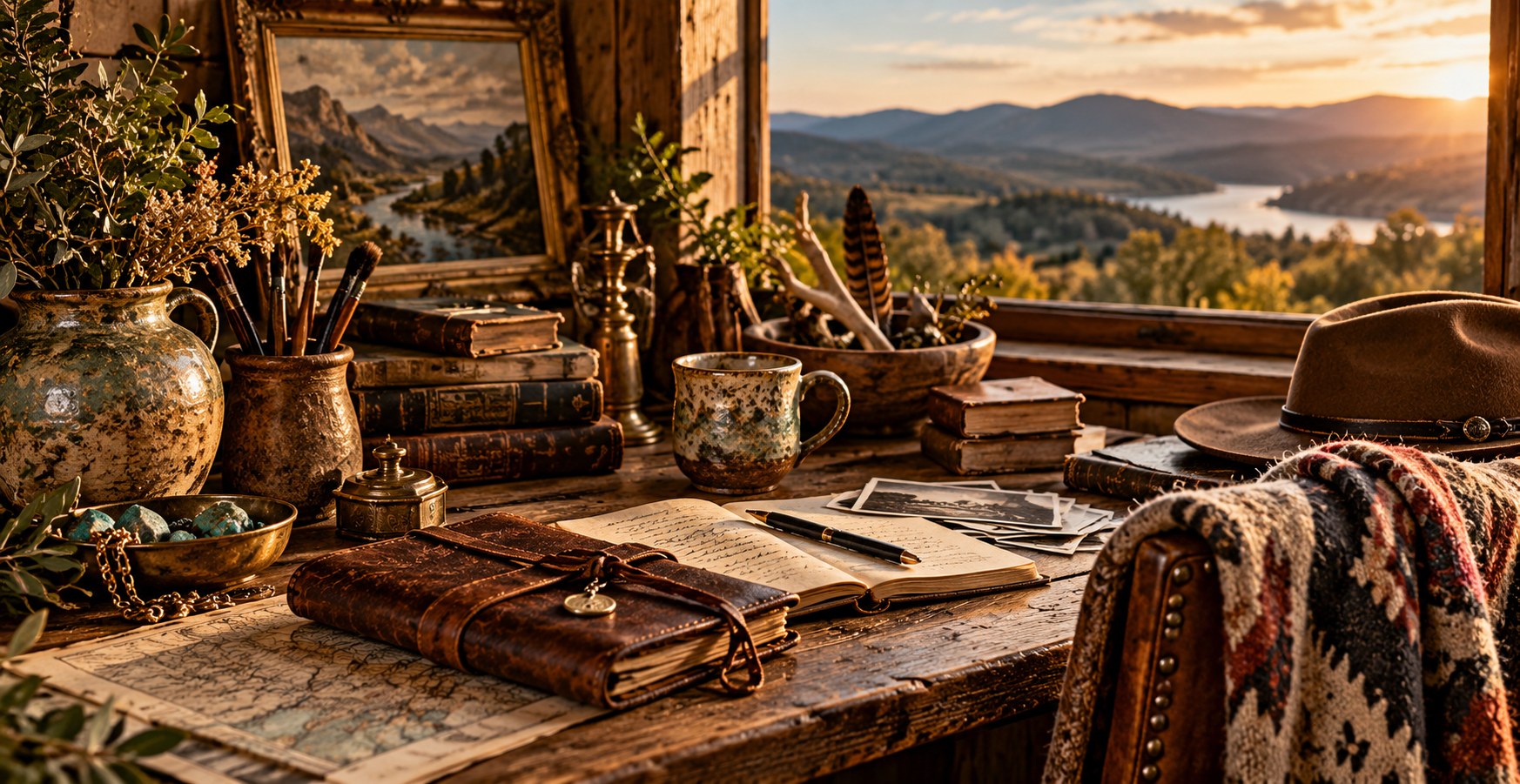
We are drawn to objects that carry evidence of where they have been — worn leather, softened wool, weathered wood, old books, handmade pottery, art, tools, textiles, and things shaped by real use.
Not because they are old, but because they have lived.
We believe there is value in choosing carefully, preserving what matters, supporting people who make things well, and surrounding ourselves with objects that add texture, story, beauty, and meaning to everyday life.
What Guides Us
Collect. Create. Conserve. Champion.
Collect
Choose with intention.
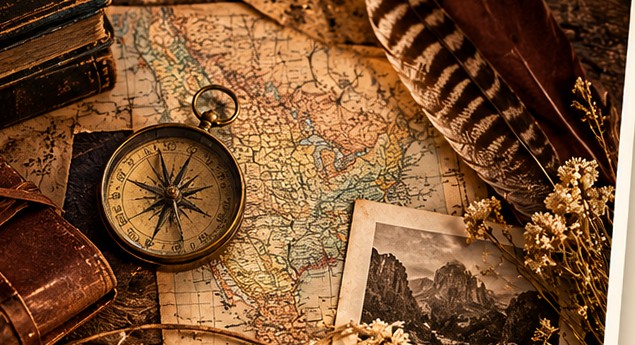
We seek objects with craftsmanship, character, material integrity, history, beauty, and usefulness.
Create
Stay curious.
Futurology values experimentation, art, making, design, ideas, and the creative process itself.
Conserve
Keep good things moving forward.
Restoration, reuse, repair, preservation, and thoughtful ownership allow meaningful objects to continue their stories.
Champion
Support the people and ideas worth carrying forward.
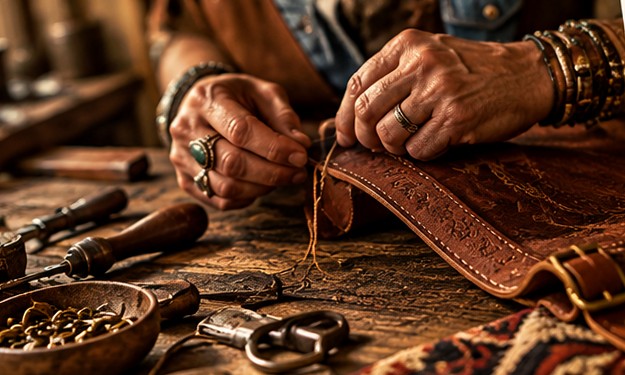
We believe in makers, craftspeople, artists, heritage skills, natural materials, independent thinking, and a more thoughtful way of living.
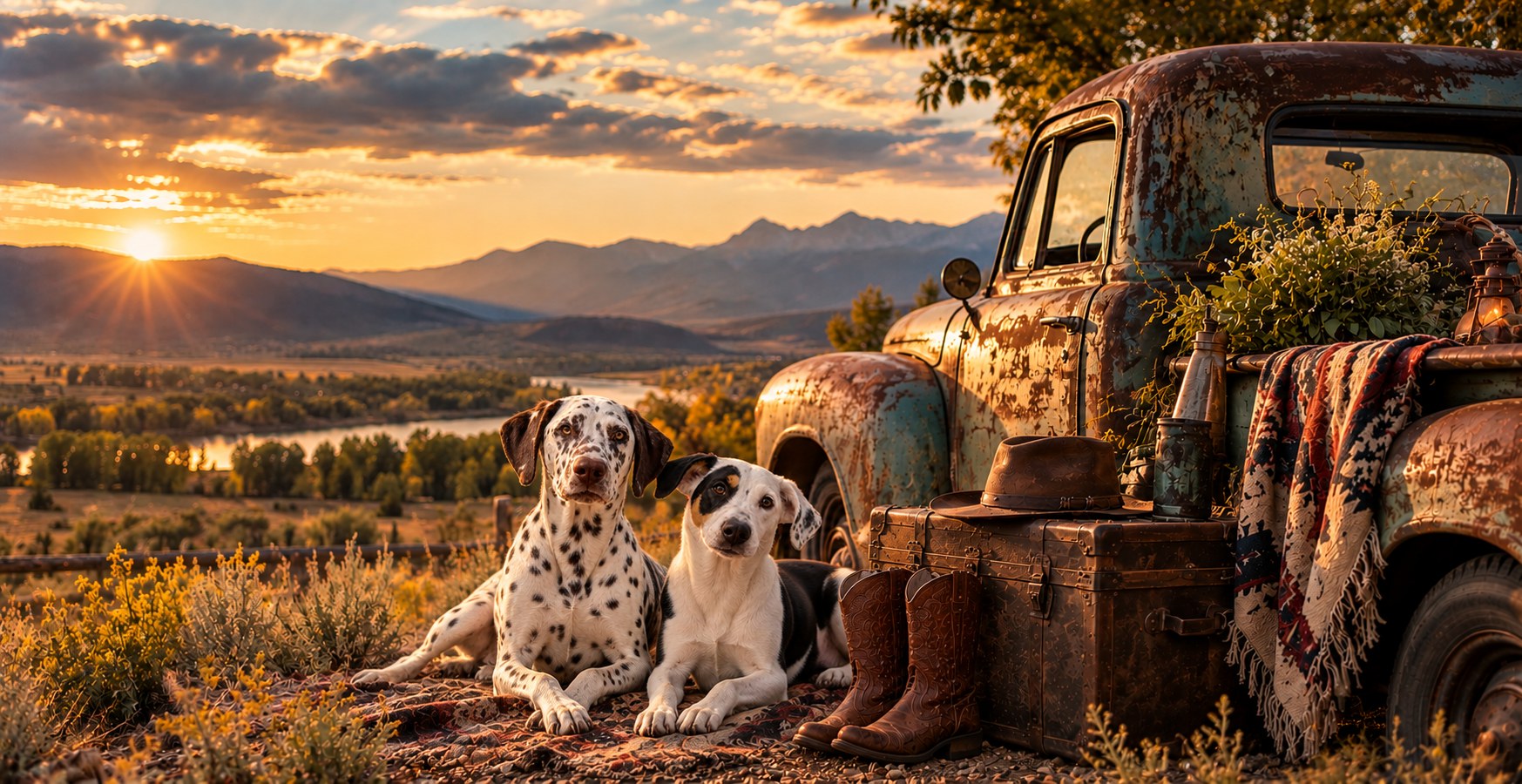
People. Places. Objects.
Every object has been somewhere.
A worn leather bag has traveled. A blanket has kept someone warm. A book has passed through hands. A handmade bowl carries the marks of the person who shaped it. An old truck carries miles, weather, work, freedom, detours, and stories.
That history matters to us.
Futurology is interested in what objects have experienced, where they have been, who made them, who used them, and where they might go next.